

A terrible plane crash in South Korea has left the country in shock. It is the worst accident in South Korea's aviation history and shows just how dangerous bird strikes can be. This tragic event not only took many lives but also reminded us how important it is to make airplanes safer. Let’s look at what happened, why bird strikes are so dangerous, and what can be done to stop them.
What Happened in the Crash?
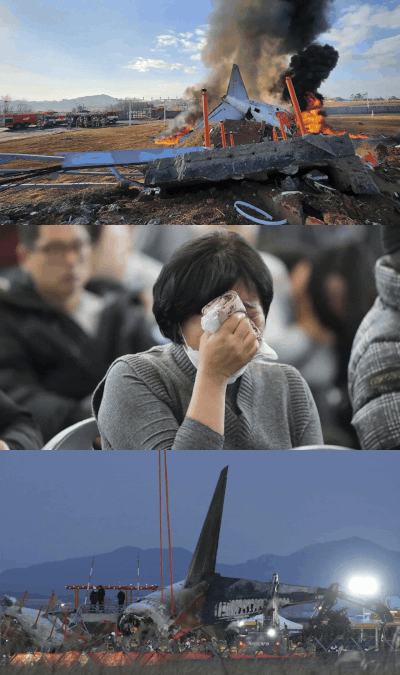
On December 30, 2024, a plane heading to Incheon International Airport crashed shortly after takeoff. Early reports say a bird strike caused the plane's engine to fail, which led to the crash. Bird strikes happen when birds hit an airplane, often causing serious problems.
People near the crash site described terrifying scenes as emergency workers tried to save lives. Unfortunately, many people did not survive, and their families are now grieving. This heartbreaking event has sparked new conversations about how to prevent bird strikes and keep airplanes safe.
What Are Bird Strikes and Why Are They Dangerous?
What Is a Bird Strike?
A bird strike happens when a bird flies into a moving airplane. This usually happens when planes are taking off or landing, as they fly lower to the ground where birds are. While planes are built to handle small impacts, large birds or flocks can seriously damage engines or windows.
How Often Do Bird Strikes Happen?
Bird strikes are more common than you might think. Thousands are reported every year around the world. The International Civil Aviation Organization (ICAO) says most bird strikes occur below 3,000 feet. While many bird strikes only cause small problems, some, like this recent crash, can be disastrous.
The Costs of Bird Strikes
Bird strikes are expensive. Airlines spend billions of dollars fixing damaged planes and dealing with delays. But the real cost is when these incidents lead to loss of life, as seen in this South Korean crash.
Why Do Bird Strikes Happen?
Bird strikes can happen for several reasons:
- Airports Near Wildlife Habitats: If an airport is close to forests, wetlands, or fields, it’s more likely birds will be nearby.
- Seasonal Migration: Birds travel in large numbers during migration seasons, increasing the chances of collisions.
- Growing Cities: Cities are expanding into areas where wildlife lives, bringing birds closer to airports.
- Aircraft Lights and Noise: Bright lights and loud engines can attract birds instead of scaring them away.
How Can We Prevent Bird Strikes?
Better Radar Systems
New radar systems can spot birds near airports. They show air traffic controllers where birds are so they can guide planes away from danger.
Changing Airport Areas
Airports can make changes to keep birds away, like:
- Draining water so birds don’t gather there.
- Planting plants that birds don’t like.
- Using trained dogs or birds of prey to scare off wild birds.
Improving Airplane Design
Planes are being built stronger to handle bird strikes. New designs include tougher windshields and engines that can handle impacts better.
Training Pilots
Pilots are trained to react quickly if a bird strike happens. They practice in simulators to stay calm and make the best decisions to keep passengers safe.
Working Together
Groups like ICAO and the International Air Transport Association (IATA) are working with airports and airlines to create rules and share ideas about preventing bird strikes.
What Can We Learn from This Crash?
This crash shows how unpredictable bird strikes can be and how much more work is needed to stop them. Here’s what needs to happen:
Stronger Rules
Governments and aviation authorities should make stricter rules about managing wildlife near airports. Regular inspections can help ensure these rules are followed.
Educating the Public
People living near airports can help by reporting bird activity. Awareness campaigns can teach communities why it’s important to keep areas near airports free of birds.
More Research
Scientists need to study bird behavior and find new ways to keep birds away from planes. Ideas like using artificial intelligence or creating safer, eco-friendly solutions could make a big difference.
Conclusion
The tragic plane crash in South Korea is a wake-up call about the dangers of bird strikes. By using better technology, improving training, and working together, we can make flying safer for everyone. This incident reminds us how important it is to keep improving airplane safety so that such accidents never happen again.



